

Slab Gate Valve: Reliable Full-Bore Isolation for Oil, Gas, and Pipeline Applications
When reliable flow isolation is critical, choosing the right valve can make a significant difference in pipeline safety, operational efficiency, and long-term maintenance costs. A Slab Gate Valve is widely used as an on-off isolation valve in oil and gas pipelines, natural gas transmission systems, petrochemical facilities, and other industrial applications where low flow resistance and dependable shut-off performance are essential.
Designed with a flat gate and a full-bore flow passage, a modern Slab Gate Valve provides an efficient solution for pipeline systems that require smooth fluid flow and reliable isolation. Through-conduit designs can also support pipeline pigging operations, making them particularly suitable for long-distance transmission pipelines.
For customers looking for a professional Slab Gate Valve manufacturer and supplier, ZUV Valve provides industrial valve solutions designed for demanding pipeline and process applications.
Explore the Slab Gate Valve product from ZUV Valve.
Table of Contents
ToggleWhat Is a Slab Gate Valve?
A Slab Gate Valve is a type of gate valve that uses a flat, slab-shaped gate to control fluid flow. The gate moves vertically between the open and closed positions, providing a straightforward isolation function.
Unlike control valves, slab gate valves are generally designed for fully open or fully closed service rather than continuous throttling. When fully open, a full-bore or through-conduit design creates a smooth flow path that can help minimize pressure loss and flow turbulence.
This design makes the Through Conduit Slab Gate Valve a popular choice for pipeline transportation systems, especially where pipeline inspection gauges, commonly known as pigs, need to travel through the pipeline.
Depending on the application, a slab gate valve may be selected based on factors such as:
- Pipeline size
- Operating pressure
- Operating temperature
- Fluid characteristics
- Valve body and trim materials
- End connection requirements
- Sealing performance
- Manual or automated operation
- Applicable industry standards
Choosing the correct configuration is essential for achieving reliable performance throughout the valve’s service life.
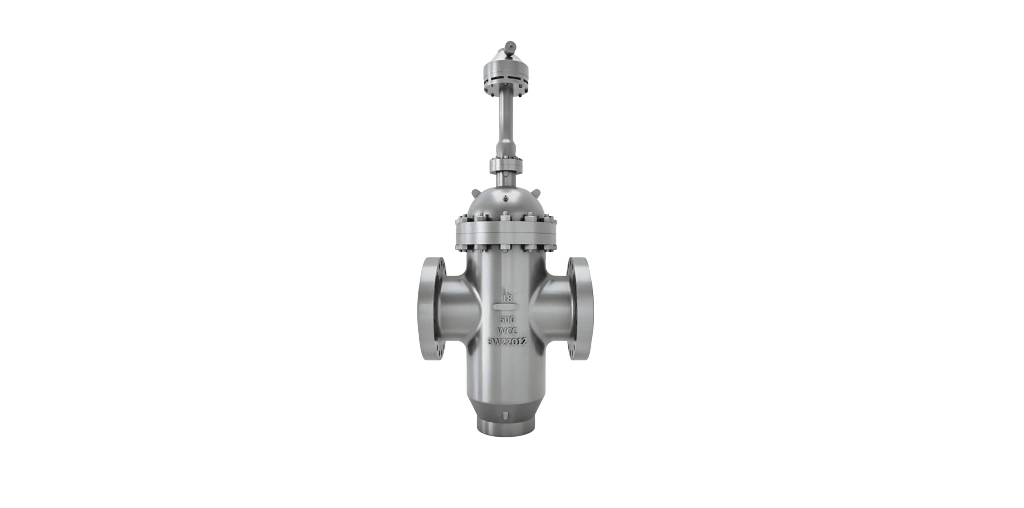
How Does a Slab Gate Valve Work?
The operating principle of a slab gate valve is relatively simple.
When the valve is opened, the slab gate moves away from the pipeline flow passage, creating a continuous flow path. In a full-bore design, the internal opening is designed to maintain a passage that closely matches the connected pipeline diameter.
When the valve is closed, the gate moves into position between the two seats, isolating the upstream and downstream sides of the pipeline.
A typical operating sequence includes:
- Fully Open Position
The gate is lifted or moved out of the main flow passage, allowing fluid to pass through the valve. - Flow Isolation
The operator begins closing the valve, moving the gate into the flow path. - Fully Closed Position
The gate engages with the sealing system to isolate the pipeline. - Maintenance or Emergency Isolation
Depending on the valve design and system configuration, the valve can be used to isolate sections of a pipeline for maintenance or emergency response.
Because slab gate valves are primarily isolation devices, they are generally not recommended for regulating flow over extended periods. Using a gate valve as a throttling device may increase turbulence, vibration, and seat wear.
Key Advantages of Slab Gate Valves
One of the primary advantages of a full-bore Slab Gate Valve is its smooth internal flow passage.
When the valve is fully open, the flow path can provide low resistance to the medium. This is particularly valuable in long-distance pipelines where minimizing pressure loss can contribute to efficient transportation.
The full-port design of many slab gate valves allows fluid to pass through with relatively low pressure loss when the valve is fully open.
This characteristic makes the valve suitable for applications where maintaining pipeline flow efficiency is important.
A Through Conduit Slab Gate Valve can be designed to allow pipeline pigs, scrapers, and inspection tools to pass through the valve.
This capability is especially important in oil and gas transmission pipelines, where regular pipeline inspection and cleaning are essential for maintaining system integrity.
Slab gate valves are designed primarily for on-off service. When correctly selected and installed, they can provide dependable isolation for pipeline sections and process equipment.
Many slab gate valve designs can provide sealing in both flow directions, offering greater flexibility during pipeline system design and installation.
The specific bidirectional sealing capability should always be confirmed according to the valve manufacturer’s design and applicable standards.
Slab gate valves can be engineered for different pressure classes, temperatures, pipeline sizes, and media.
Depending on the design and material selection, they may be used in:
- Crude oil pipelines
- Natural gas pipelines
- Refined petroleum product pipelines
- Petrochemical plants
- Oil and gas gathering systems
- Pipeline transmission stations
- Gas processing facilities
- Storage terminals
- Tank farms
- Industrial process systems
Slab Gate Valve vs. Wedge Gate Valve
Although both slab gate valves and wedge gate valves belong to the gate valve family, their designs and typical applications can differ.
Feature | Wedge Gate Valve | |
Gate Design | Flat slab gate | Wedge-shaped gate |
Typical Application | Pipeline isolation | General industrial isolation |
Full-Bore Design | Common in through-conduit models | Depends on design |
Pipeline Pigging | Suitable for compatible through-conduit designs | Generally less suitable |
Flow Resistance | Low when fully open | Low when fully open |
Oil & Gas Pipelines | Widely used | Also used depending on application |
Main Function | On-off isolation | On-off isolation |
For long-distance oil and gas pipelines where pigging capability and a continuous flow passage are important, a Through Conduit Slab Gate Valve may be an appropriate solution.
For general industrial piping systems, the selection between slab and wedge gate valves should be based on the operating conditions, media, pressure, temperature, installation requirements, and applicable standards.
Where Are Slab Gate Valves Used?
Oil and Gas Pipelines
The oil and gas industry is one of the most important application areas for slab gate valves.
Pipeline operators require reliable isolation equipment for crude oil, natural gas, and refined products. A full-bore slab gate valve can provide a smooth flow path and, in suitable designs, allow pipeline inspection and cleaning tools to pass through.
Natural Gas Transmission
Natural gas transmission pipelines often operate over long distances and require reliable isolation valves at strategic locations.
A Pipeline Slab Gate Valve can be used at mainline stations, compressor stations, and other critical pipeline locations where dependable shut-off performance is required.
Petrochemical Facilities
Petrochemical plants handle a wide range of process fluids under demanding operating conditions. Valve materials and sealing systems must therefore be selected according to the specific medium and operating environment.
Oil and Gas Gathering Systems
In upstream and midstream applications, slab gate valves may be used in gathering pipelines and manifold systems for reliable flow isolation.
Pipeline Terminals and Storage Facilities
Storage terminals and tank farms use isolation valves to control and isolate different sections of piping systems. Slab gate valves can be considered where full-bore flow and reliable shut-off are required.
How to Select the Right Slab Gate Valve
Selecting the correct Slab Gate Valve requires more than simply choosing a valve based on pipe diameter.
1. Determine the Pipeline Size
The valve’s nominal size should match the piping system and project requirements. Larger pipeline applications may require specialized manufacturing, transportation, and installation considerations.
2. Check the Pressure Rating
The valve must be capable of safely handling the maximum operating pressure and any foreseeable pressure variations within the system.
3. Consider Operating Temperature
Temperature affects valve body materials, seat materials, sealing components, and packing systems. The selected valve should be suitable for the minimum and maximum operating temperatures.
4. Identify the Process Medium
The valve configuration should be compatible with the transported medium, such as:
- Crude oil
- Natural gas
- Petroleum products
- Water
- Chemical fluids
- Other process media
For corrosive or sour-service applications, material selection and special design requirements should be carefully evaluated.
5. Consider Pipeline Pigging Requirements
If the pipeline requires regular pigging, a suitable full-bore Through Conduit Slab Gate Valve should be considered.
6. Select the Appropriate Actuation Method
Depending on project requirements, slab gate valves may be operated manually or equipped with suitable actuators.
The selection may depend on:
- Valve size
- Operating torque
- Installation location
- Automation requirements
- Emergency shutdown requirements
- Remote operation requirements
Slab Gate Valve Standards and Quality Requirements
For oil and gas pipeline applications, buyers commonly evaluate valve products against recognized international standards and project specifications.
Depending on the application, relevant standards may include API 6D, API 6A, ASME B16.34, and applicable testing and dimensional standards.
However, the exact standards required for a project depend on the valve type, service conditions, end-user specifications, and applicable regulations.
When purchasing from a Slab Gate Valve manufacturer, buyers should evaluate:
- Design standards
- Manufacturing standards
- Pressure testing procedures
- Material traceability
- Quality management systems
- Inspection procedures
- Valve documentation
- Certification requirements
- After-sales technical support
A professional valve supplier should be able to provide the technical documentation required for engineering review and project approval.
Why Choose a Professional Slab Gate Valve Manufacturer?
A high-quality slab gate valve is not simply a standard pipeline component. Its performance depends on engineering design, material selection, machining accuracy, sealing technology, pressure testing, and quality control.
When selecting a Slab Gate Valve supplier, consider the following factors:
Engineering Capability
The manufacturer should have the technical ability to provide valve solutions based on specific pipeline conditions and project requirements.
Manufacturing Quality
Precision machining and consistent manufacturing processes are important for maintaining dimensional accuracy and sealing performance.
Material Control
Proper material selection and traceability are essential for valves used in high-pressure, high-temperature, corrosive, or critical applications.
Testing and Inspection
Valves should undergo appropriate inspection and pressure testing before shipment according to applicable standards and customer requirements.
Customization
Different projects may require specific materials, pressure classes, end connections, actuators, coatings, or special service configurations.
A capable manufacturer should be able to evaluate these requirements and provide a suitable technical solution.
Frequently Asked Questions About Slab Gate Valves
What is a slab gate valve used for?
A slab gate valve is mainly used for on-off isolation in pipeline and industrial applications. It is widely used in oil and gas transportation, natural gas pipelines, petrochemical facilities, and other systems that require reliable flow isolation.
What is a through-conduit slab gate valve?
A through-conduit slab gate valve features a continuous, full-bore flow passage when fully open. This design can reduce flow restrictions and, in suitable pipeline systems, allow pigs and pipeline cleaning or inspection tools to pass through the valve.
Can a slab gate valve be used for throttling?
Generally, slab gate valves are intended for fully open or fully closed isolation service rather than continuous throttling. For flow regulation, a dedicated control valve or other suitable regulating valve is normally preferred.
What is the difference between a slab gate valve and a wedge gate valve?
A slab gate valve uses a flat gate and is commonly associated with pipeline isolation and through-conduit applications. A wedge gate valve uses a wedge-shaped gate and is widely used in general industrial piping. The best choice depends on the application, operating conditions, and project requirements.
What industries use slab gate valves?
Major industries include oil and gas, natural gas transmission, petrochemical processing, pipeline transportation, energy, storage terminals, and other industrial process applications.
How do I choose a slab gate valve?
Start by evaluating the pipeline size, pressure rating, operating temperature, process medium, material requirements, sealing requirements, pigging requirements, end connections, operating method, and applicable standards.
Choose ZUV Valve for Slab Gate Valve Solutions
A reliable isolation valve is an essential part of a safe and efficient pipeline system. With its full-bore flow concept and suitability for demanding isolation applications, the Slab Gate Valve remains an important valve solution for oil and gas pipelines, natural gas transmission, petrochemical facilities, and industrial process systems.
When selecting a Slab Gate Valve manufacturer or Slab Gate Valve supplier, it is important to work with a company that understands the technical requirements of your application and can provide the appropriate valve configuration.
ZUV Valve is committed to providing professional industrial valve solutions for customers and projects requiring reliable flow control and isolation equipment.
If you are looking for a Slab Gate Valve, API 6D Slab Gate Valve, or Through Conduit Slab Gate Valve for your pipeline project, contact ZUV Valve to discuss your technical requirements.
Learn more about the ZUV Valve Slab Gate Valve and explore the available product solution for your application.