

Pressure Seal Bonnet Globe Valve: Engineered for High-Pressure and High-Temperature Service
As industrial facilities continue to operate at higher pressures and temperatures, valve reliability has become increasingly important to process safety and plant efficiency. In power generation, petrochemical processing, oil and gas, and other energy-intensive industries, valves are often required to maintain tight sealing performance while being exposed to severe thermal and pressure conditions.
The Pressure Seal Bonnet Globe Valve is designed specifically for these demanding environments. Its pressure-assisted bonnet sealing structure provides an important advantage over conventional bonnet designs: as internal pressure increases, the sealing force can also increase. This principle helps create a dependable sealing interface while supporting long-term operation in critical systems.
For industrial projects where leakage prevention, pressure resistance, and service life are key considerations, pressure seal bonnet globe valves provide an effective flow control and isolation solution.
Table of Contents
ToggleWhy Bonnet Design Matters in High-Pressure Systems
The bonnet is an essential part of a globe valve because it protects the internal components and provides a sealing connection with the valve body. In a conventional bolted bonnet design, external bolts and gaskets are primarily responsible for maintaining the body-to-bonnet seal.
Under increasingly demanding pressure conditions, however, the sealing structure becomes an important engineering consideration.
A pressure seal bonnet uses the pressure inside the valve to assist the sealing process. Instead of simply resisting internal pressure, the design takes advantage of operating pressure to strengthen the seal between the internal components.
This pressure-assisted principle can provide several benefits:
- Improved sealing reliability
- Reduced risk of external leakage
- Better suitability for high-pressure applications
- Enhanced performance at elevated temperatures
- Reduced dependence on large external bolting
This makes the Pressure Seal Bonnet Globe Valve particularly attractive for applications where system shutdowns and leakage can result in significant operational costs.
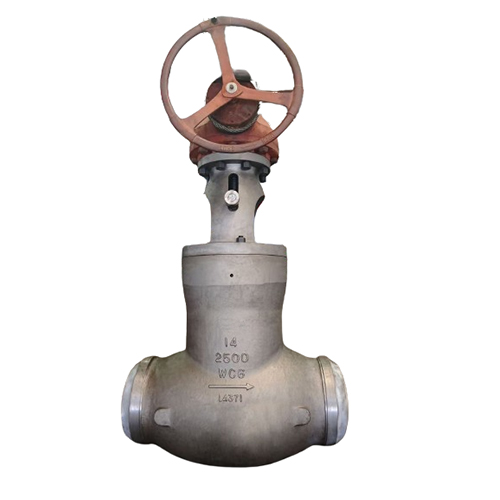
How the Pressure Seal Structure Works
The operating principle is relatively straightforward but highly effective.
When the valve is pressurized, internal pressure acts on the pressure seal components. This force helps push the bonnet sealing surfaces together, increasing the contact pressure at the sealing interface.
In simple terms:
Higher internal pressure → greater sealing force → enhanced sealing performance
This characteristic distinguishes pressure seal construction from many conventional bonnet arrangements.
The design is especially useful in high-pressure steam systems and other applications where maintaining a reliable pressure boundary is essential.
Combining Flow Regulation with Reliable Isolation
One of the major strengths of a globe valve is its ability to regulate flow rather than simply providing an open-or-closed function.
The valve disc moves toward or away from the seat, allowing operators to adjust the flow area. This makes globe valves suitable for applications where process conditions must be controlled accurately.
A Pressure Seal Bonnet Globe Valve therefore combines two important functions:
Flow regulation during normal operation and Reliable isolation when the pipeline needs to be shut down.
This combination makes it useful in process systems where both control and isolation are required.
High-Temperature Steam: A Typical Application
Power generation is one of the most demanding environments for industrial valves. Steam systems can involve high pressure, high temperature, thermal cycling, and continuous operation.
A valve installed in such a system must withstand these conditions without compromising its pressure boundary.
Pressure Seal Bonnet Globe Valves can be used in applications such as:
- Main steam systems
- Boiler piping
- Superheated steam lines
- Feedwater systems
- High-pressure bypass systems
- Power plant auxiliary systems
The pressure-assisted bonnet design provides an additional advantage in maintaining sealing performance as system pressure rises.
Applications Beyond Power Generation
Although pressure seal globe valves are strongly associated with power plants, their applications extend across numerous industries.
Oil and Gas
High-pressure fluid transportation and processing systems require valves capable of providing dependable isolation and flow regulation. Pressure seal globe valves can be used in refinery and process applications where high pressure and temperature are present.
Petrochemical Processing
Petrochemical facilities frequently handle high-temperature process fluids. Reliable sealing and material compatibility are therefore essential for safe operation.
Chemical Industry
Chemical processing may involve corrosive, hazardous, or high-temperature media. The valve body and internal trim must be selected according to the specific characteristics of the medium.
Energy Infrastructure
As energy infrastructure becomes increasingly sophisticated, high-pressure valves are required throughout steam, thermal, and process systems. Pressure seal construction provides an option for demanding service conditions.
Pressure Seal Globe Valve vs Conventional Globe Valve
The choice between pressure seal and conventional bonnet construction depends largely on operating conditions.
| Feature | Pressure Seal Bonnet Globe Valve | Conventional Bonnet Globe Valve |
|---|---|---|
| Bonnet Sealing | Pressure-assisted | Bolted/gasket-based |
| High-Pressure Performance | Excellent | Depends on design |
| High-Temperature Service | Highly suitable | Suitable within design limits |
| Sealing Force | Increases with system pressure | Primarily determined by bolting/gasket arrangement |
| Typical Applications | Power, steam, petrochemical | General industrial service |
| Initial Cost | Generally higher | Generally lower |
| Severe-Service Suitability | Excellent | Application dependent |
For moderate-pressure applications, a conventional globe valve may provide a more economical solution. For high-pressure and high-temperature systems, however, pressure seal construction can provide greater long-term value.
Material Selection Is Equally Important
The pressure seal structure alone does not determine valve performance. Material selection must also correspond to the actual operating environment.
Depending on application requirements, valve bodies and internal components may use materials such as:
Carbon Steel:A practical option for many industrial applications where good strength and cost efficiency are required.
Stainless Steel:Suitable for applications requiring greater corrosion resistance and compatibility with certain process media.
Alloy Steel:Often selected for elevated-temperature and high-pressure applications where enhanced mechanical properties are required.
Other material and trim combinations may also be considered according to pressure, temperature, medium, and project specifications.
What Engineers Should Consider Before Ordering
Selecting a Pressure Seal Bonnet Globe Valve should begin with the operating conditions rather than simply the pipeline size.
Important factors include:
Operating Pressure:The valve pressure class must be suitable for the maximum system pressure.
Operating Temperature:Body, disc, seat, stem, and sealing materials should be compatible with the expected temperature range.
Medium:Steam, gas, water, oil, and chemical fluids may require different materials and trim configurations.
Flow Requirements:Engineers should determine whether the valve will primarily provide throttling, isolation, or both.
Connection and Installation:End connection standards, pipeline orientation, available space, and maintenance access should also be considered.
Correct specification at the design stage can help prevent unnecessary maintenance and premature valve replacement.
Maintenance and Long-Term Reliability
Even high-performance valves require appropriate inspection and maintenance. Regular monitoring can help identify potential problems before they affect plant operation.
Maintenance programs may include:
- Checking for external leakage
- Inspecting the stem and packing area
- Monitoring valve operating torque
- Inspecting sealing components
- Checking actuator or handwheel operation
- Performing periodic pressure testing where required
For critical industrial systems, preventive maintenance can be considerably more economical than responding to unexpected valve failure.
The Role of Modern Valve Manufacturing
The performance of a pressure seal globe valve depends on engineering design, material quality, machining accuracy, assembly, and testing.
ZHONGYOU VALVE focuses on the manufacture of industrial valves for demanding applications and provides a range of valve configurations for different pressure, temperature, and media requirements.
Its product portfolio covers globe valves and other industrial valve categories, allowing customers to select suitable solutions for different pipeline systems. Manufacturing according to applicable international standards and customer specifications also helps support projects with diverse technical requirements.
Looking Ahead: More Reliable Solutions for Severe-Service Applications
Industrial facilities are becoming more efficient, automated, and demanding. At the same time, operators are placing greater emphasis on safety, leakage prevention, equipment life, and total operating cost.
These trends are increasing the importance of valve technologies capable of maintaining reliable performance under severe conditions.
The Pressure Seal Bonnet Globe Valve addresses these requirements through its pressure-assisted sealing principle, robust construction, and ability to combine flow regulation with dependable isolation.
For high-pressure steam systems, power plants, petrochemical facilities, oil and gas applications, and other critical industrial processes, the right valve design can make a meaningful difference to system reliability.
As an experienced industrial valve manufacturer, ZHONGYOU VALVE continues to develop and supply valve solutions for demanding operating environments, helping industrial customers achieve safer, more stable, and more efficient pipeline operation.