

Ball Valve Manufacturer Drives Innovation in Modern Industrial Flow Control
As industries continue to demand safer, more efficient, and more reliable fluid control systems, ball valves have become one of the most widely used valve types across global industrial sectors. From oil and gas transportation to chemical processing, power generation, and water treatment, ball valves play a critical role in ensuring operational safety and process efficiency.
Today, manufacturers are not only focused on providing shut-off capabilities but also on delivering advanced engineering solutions capable of handling extreme pressures, temperatures, and corrosive environments. As a professional ball valve manufacturer, ZHONGYOU VALVE continues to support industrial customers with a comprehensive portfolio of high-performance ball valves designed to meet diverse operational requirements.
Table of Contents
ToggleWhy Ball Valves Remain the Preferred Choice
The popularity of ball valves stems from their simple yet highly effective operating principle. By rotating a perforated ball inside the valve body, operators can quickly open or close the flow path with minimal effort.
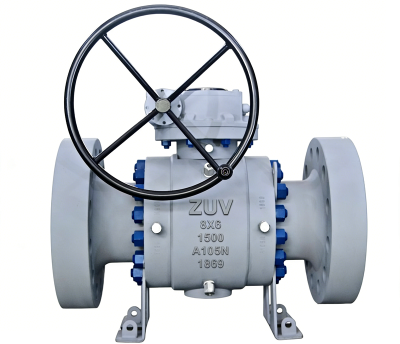
Compared with many other valve types, ball valves offer several important benefits:
- Fast quarter-turn operation
- Excellent sealing performance
- Low pressure drop
- Long service life
- Reduced maintenance requirements
- Suitable for automated systems
These advantages make ball valves ideal for both onshore and offshore facilities where reliability and operational efficiency are critical.
Understanding Different Types of Ball Valves
Industrial applications often require specialized valve designs to address unique operating conditions. Choosing the correct ball valve type can significantly impact safety, maintenance costs, and overall system performance.
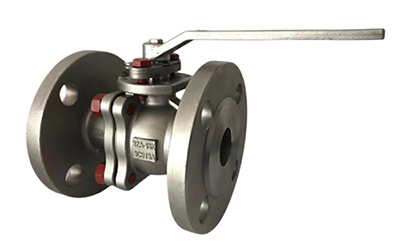
Floating ball valves are among the most commonly used ball valve designs. The ball is supported by valve seats and moves slightly under pressure to create a tight seal.
They are widely used in:
- Water treatment systems
- Chemical plants
- General industrial
- pipelines
- Utility services
Floating ball valves are valued for their compact structure, economical cost, and reliable sealing performance in medium-pressure applications.
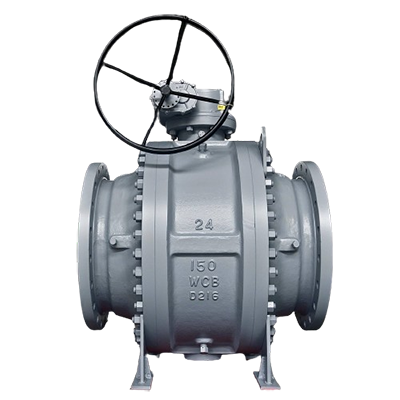
For larger diameters and higher pressure systems, the Trunnion Ball Valve is often the preferred solution.
Unlike floating designs, the ball is mechanically anchored by upper and lower trunnions, reducing operating torque and minimizing seat wear.
Key applications include:
- Oil and gas transmission pipelines
- LNG facilities
- Petrochemical plants
- Offshore platforms
The trunnion-mounted structure allows these valves to perform exceptionally well under demanding operating conditions while maintaining reliable sealing performance.
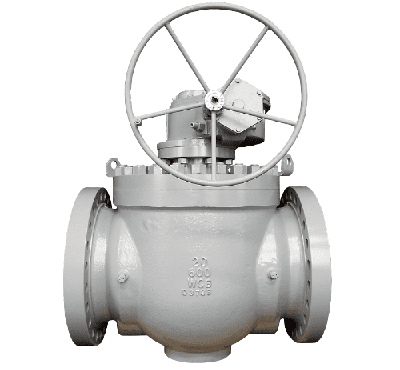
The Top Entry Ball Valve is specifically designed to simplify maintenance and inspection.
Its unique construction allows internal components to be accessed from the top of the valve body without removing the valve from the pipeline.
Industries that frequently use top entry designs include:
- Refining operations
- Offshore production facilities
- Critical process systems
- High-value industrial plants
This design significantly reduces maintenance downtime and helps operators avoid costly production interruptions.
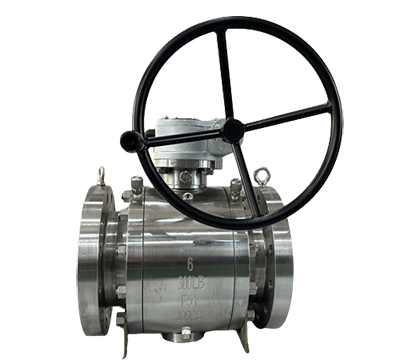
The Forged Steel Ball Valve is manufactured using forged materials that provide superior mechanical strength and structural integrity.
Forging improves grain structure and material consistency, making these valves highly suitable for severe service environments.
Typical applications include:
- High-pressure steam systems
- Power generation facilities
- Petrochemical processing
- Hydrogen and gas transportation systems
Because of their durability and resistance to pressure fluctuations, forged steel ball valves are frequently selected for safety-critical operations.
Ball Valve Comparison Guide
The following table highlights the key differences among major ball valve types:
| Valve Type | Main Characteristics | Best Applications | Advantages | Considerations |
|---|---|---|---|---|
| Floating Ball Valve | Ball supported by seats | Water treatment, utilities, chemical processing | Cost-effective, compact, easy operation | Better suited for small and medium sizes |
| Trunnion Ball Valve | Ball supported by trunnions | Oil & gas pipelines, LNG, petrochemicals | Low operating torque, excellent sealing | Higher manufacturing cost |
| Top Entry Ball Valve | Maintenance from top access | Refineries, offshore facilities | Reduced downtime, easier servicing | More complex body structure |
| Forged Steel Ball Valve | Forged body construction | High-pressure and high-temperature systems | Superior strength and durability | Higher material and production cost |
Industry Trends Shaping Ball Valve Development
The industrial valve market is undergoing significant transformation as operators seek higher efficiency, environmental compliance, and digital integration.
Several trends are influencing ball valve design and manufacturing:
Increased Automation
Modern facilities increasingly rely on automated valve systems integrated with intelligent actuators and control networks. Ball valves are particularly suitable for automation because of their quarter-turn operation and fast response time.
Demand for High-Performance Materials
Growing use of aggressive chemicals, sour gas, hydrogen, and high-temperature media is driving demand for advanced materials such as stainless steel, duplex stainless steel, and specialized alloys.
Enhanced Safety Standards
Global industries continue to strengthen safety requirements. Manufacturers are investing in fire-safe designs, anti-static devices, blowout-proof stems, and fugitive emission control technologies to meet international standards.
Sustainability and Energy Efficiency
Efficient flow control contributes to lower energy consumption and reduced emissions. Modern ball valve designs focus on minimizing leakage and improving operational reliability throughout the valve lifecycle.
Selecting the Right Ball Valve for Your Application
Choosing the appropriate ball valve requires evaluating several critical factors:
- Operating pressure
- Temperature range
- Media characteristics
- Pipeline size
- Maintenance accessibility
- Industry standards and certifications
For example, a high-pressure gas transmission line may benefit from a trunnion-mounted design, while a refinery seeking easier maintenance may prefer a top entry configuration. Similarly, severe service environments often require forged steel construction for maximum reliability.
Working with an experienced ball valve manufacturer helps ensure the valve selection aligns with operational requirements and long-term performance objectives.
Supporting Industrial Reliability Through Engineering Excellence
As industries continue to expand and modernize, the demand for dependable flow control equipment remains stronger than ever. High-quality ball valves are essential for maintaining safety, efficiency, and productivity across a wide range of applications.
With extensive manufacturing capabilities and a commitment to quality, ZHONGYOU VALVE provides industrial customers with reliable solutions including Floating Ball Valves, Trunnion Ball Valves, Top Entry Ball Valves, and Forged Steel Ball Valves. Through continuous innovation, strict quality control, and customer-focused engineering, the company remains dedicated to supporting modern industrial infrastructure and the evolving needs of global markets.
Website: https://www.zuvvalve.com/